
Art Of Officiating
Home Art Of Officiating
Covering conflict management, the psychology of officiating, best practices and officiating/life balance.

Try Angles
There is one thing I find more important than all others in getting my calls on the field and on the court correct: the...
Talk Yourself Into a Good Game
Have you ever wondered how rah-rah pep talks can move athletes toward great performances? It’s because the athletes themselves have an innate desire to...

30 Basics of Officiating
If you've officiated for any length of time, you’ve probably heard most of these basics of our avocation before, but they bear repeating and...
6 Common Errors and How to Avoid Them
It seems no matter how long a person has been officiating, and regardless of the sports he or she works, any official can fall...
Crew Harmony Leads to Better Games & More Fun
When any game assignment arrives, all sorts of questions usually race through an official’s mind. Who’s playing and where is it being played are immediate, but don't really...

Are You Ready to Be in the Spotlight?
Getting the big game — a state playoff contest, a showdown between traditional rivals or a game to decide a conference championship — is...

Officiating’s ‘Workplace Guide’
Although officiating is an avocation for most of us, it is one that must be treated as a business. Officiating should be fun, but...
Etiquette for Video Training
Using video for training purposes is no longer the discovery of the age. Gone are the days we have to give a blank video...
Get Great Series: Better by Tomorrow
If someone told you a way to get better by tomorrow, would you do it no matter what it was? How about if it...
Working Youth Games Is Good For Everyone
Youth leagues are where many officials get their start, particularly those who begin officiating at a young age. Those games provide a good place...

‘Big Time’ Attitude is for Small People
Virtually every local association or chapter has at least one official who has “made it big,” the member who has worked a state championship...
Bounce Back from a Bad Game
Ever had one of those nights when, for whatever reason, you’re off your game? Whether it’s because you were distracted by issues that have nothing to do with...
Manage High Stress Situations So You Don’t Choke or Panic
Why do some officials perform poorly when under pressure? Ruling out poor positioning, misapplication or misunderstanding of the rules, inexperience and absentmindedness, one must turn to psychological explanations for official underperformance....
Rehearse Fundamental Judgments
Officials can develop healthy habits that have nothing to do with streamlining their diet or counting calories. Many sports have repeated practices or habits...

You’re Not Advancing
A frustrating and isolating problem in officiating is when you’re not advancing. You’ve put the time in, gone to camps, helped your local association, worked all the...
7 Ways to Avoid Attacks
Unfortunately, in today’s culture, many officials have been followed out to their car by unfriendly people after a game. Others have been threatened during or after a...
Dealing with Obnoxious Fans
Between the lines, sports officials have every right and can take immediate action to eject a player or coach from a game for unruly...

Saving One Official at a Time
I met with a friend last year who I heard had gotten out of officiating after only a few years. I thought perhaps his departure...

Lack of Family Support
Most officials at some point in the journey have to deal with family related issues, being away from home at key stages of the lives of their children...

Make an Officiating Comeback
A few seasons ago, I felt like I was on the “up and up.” I felt personal improvement in my play calling, physique and...
Impartiality in Addressing Coaches
I'm always ill at ease when an official with whom I’m working is on a first-name basis with a coach. Earlier this baseball season,...
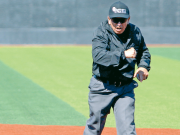
Six C’s That Will Get You Straight A’s
Mnemonics are devices intended to assist the memory, as a verse or formula. A popular example, HOMES, is an acronym to help recall the...
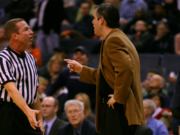
When Do Comments Go From Noise to Unprofessional Conduct?
Comments from head coaches, their coaching staffs, team supporters and fans can vary and deserve a multitude of responses. But when the comments go...

Let the Whole Play Happen Before You Call It
Sports officials must understand the game they are working or they’re in for a heap of headaches. An official must know the rules to the best of...